Managing your everyday finances effectively is one of the most important steps toward financial stability and peace of mind. However, for many people, budgeting can feel overwhelming, especially if you’re dealing with irregular income or freelance work. The key is to create a system that works for you, is simple to maintain, and adapts to your lifestyle.
In this article, we’ll explore three strategies to help you take control of your finances: the envelope system, budgeting for irregular income, and using tools and apps to track your expenses. Whether you’re just starting out with budgeting or looking for ways to refine your current approach, these methods can simplify the process and help you stay on top of your finances.
The Envelope System: A Visual Way to Manage Your Spending
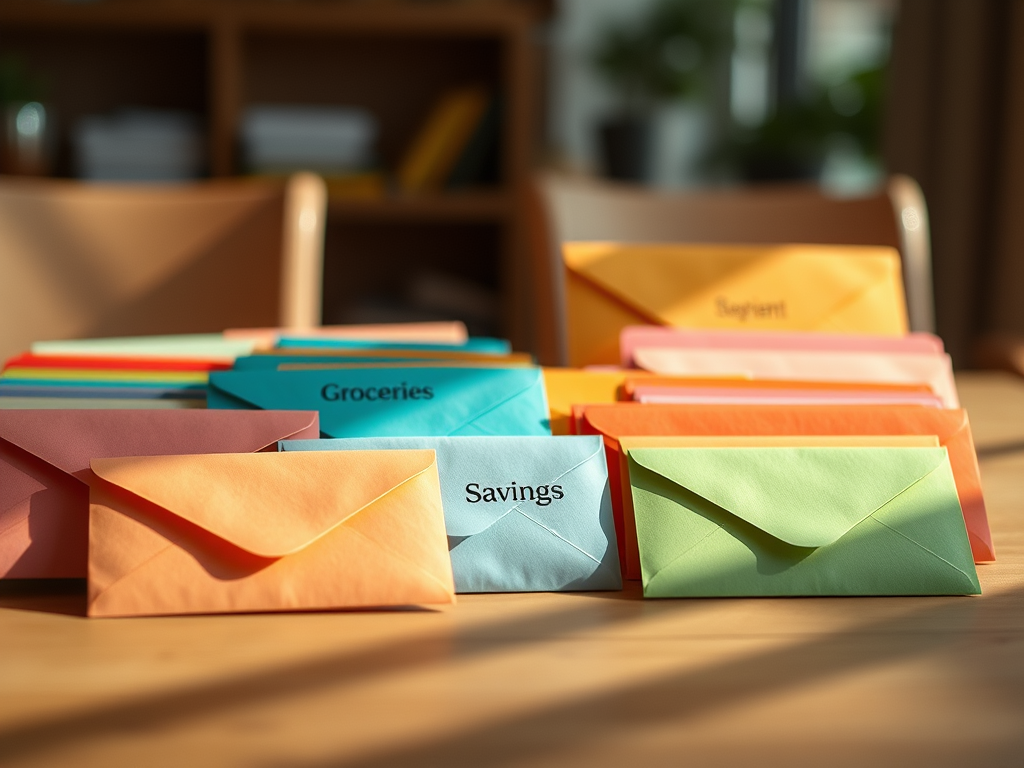
The envelope system is a classic, hands-on budgeting technique that helps you visualize your spending. It’s especially effective for those who find it difficult to keep track of digital transactions and want a more tangible way to manage their finances.
How the Envelope System Works:
- Categorize Your Expenses: Begin by listing all your regular monthly expenses, such as groceries, rent, utilities, transportation, entertainment, and savings. Each expense gets its own envelope.
- Allocate Cash: Withdraw cash for the month’s expenses and place it into the corresponding envelopes. For example, if your grocery budget is $400 for the month, put $400 in the “Groceries” envelope.
- Spend from Each Envelope: When you make a purchase, you only use the cash from that specific envelope. If you’re buying groceries, you take money from the groceries envelope. Once the envelope is empty, that’s it for the month—no dipping into other envelopes!
Benefits of the Envelope System:
- Visual Accountability: You can physically see how much money you have left in each category, which prevents overspending.
- Control Over Impulse Spending: Since you’re limited to the cash in each envelope, it’s easier to avoid unnecessary purchases.
- Perfect for Cash-Only Budgeters: If you prefer dealing with cash or want to limit credit card use, this system helps you stay on track.
Digital Alternatives:
If using physical cash isn’t practical for you, many apps replicate the envelope system digitally, such as Goodbudget and Mvelopes, allowing you to track your spending within categorized “envelopes” without needing to handle cash.
How to Budget When Your Income is Irregular or Freelance
One of the biggest challenges for freelancers or those with irregular income is budgeting for months when income fluctuates. This unpredictability can make it difficult to stay on track with expenses. However, with some adjustments, you can create a budget that works for your income stream.
1. Prioritize Your Essentials:
When budgeting with irregular income, your first focus should be on covering your essential expenses, such as rent, utilities, groceries, and debt payments. Make a list of these non-negotiable expenses and calculate the bare minimum you need each month to stay afloat.
2. Build a Buffer or Emergency Fund:
A buffer or emergency fund is crucial when dealing with variable income. Ideally, aim to save three to six months’ worth of essential expenses to cover lean months. When your income is higher, set aside a larger portion of your earnings to bolster this fund. It acts as a safety net during slower periods.
3. Create a Baseline Budget:
Rather than creating a new budget every month, establish a baseline budget—this is the minimum amount you need to cover your essential expenses. If your income fluctuates, your baseline ensures you’re still meeting your basic needs. Anything earned above your baseline can be allocated toward savings, investments, or discretionary spending.
4. Use a Percentage System:
If you’re unsure how much you’ll earn each month, you can budget using percentages rather than fixed amounts. For example:
- 50% of your income goes to essentials (housing, utilities, groceries).
- 20% goes to savings or debt repayment.
- 30% goes toward discretionary spending (entertainment, dining out, travel).
This way, no matter how much you make in a given month, you always allocate money proportionally to your priorities.
Tracking Your Expenses: Tools and Apps to Simplify the Process
Keeping track of your spending is essential for managing your everyday finances. Thankfully, there are plenty of tools and apps available to make this process simple and hassle-free. Tracking your expenses helps you stay aware of where your money is going and ensures that your budget is on track.
1. YNAB (You Need a Budget):
YNAB is one of the most popular budgeting apps for tracking expenses and creating a plan for your money. It encourages users to “give every dollar a job,” meaning you allocate every dollar you earn to a specific category—whether that’s bills, savings, or debt repayment. YNAB’s philosophy of proactive budgeting is perfect for those who want more control over their finances.
- Key Features: Budgeting for irregular income, goal tracking, real-time updates, and expense tracking across devices.
2. Mint:
Mint is a free app that allows you to link your bank accounts, credit cards, and bills to track spending in real-time. It automatically categorizes your transactions, making it easy to see where your money is going. Mint also provides alerts for due bills and helps you monitor your credit score.
- Key Features: Automatic expense categorization, bill reminders, credit score monitoring, and financial goal tracking.
3. PocketGuard:
PocketGuard is a simple app that helps you keep track of how much spendable money you have after accounting for your bills, goals, and necessities. It’s great for keeping a close eye on discretionary spending and ensuring that you don’t accidentally overspend on non-essentials.
- Key Features: In-app bill tracking, goal setting, and an overview of your “leftover” money after essentials are covered.
4. Goodbudget:
For those who prefer a digital version of the envelope system, Goodbudget allows you to create virtual envelopes and allocate your money into categories. This way, you can track how much is left for each category and stick to your budget.
- Key Features: Envelope-based budgeting, shared budgets for partners or family members, and expense tracking.
5. Spreadsheets:
If you prefer a more hands-on approach, using a simple Excel or Google Sheets spreadsheet to track your expenses is a tried-and-true method. You can customize your categories, create charts to visualize spending, and update your budget manually each month. It’s a flexible, no-cost way to stay on top of your finances.
Conclusion: Building a Budget That Works for You
Managing everyday finances doesn’t have to be complicated, and with the right strategies in place, budgeting can become a simple part of your routine. Whether you use the envelope system, adjust your budget for irregular income, or rely on apps to track your expenses, the key is consistency. By taking control of your finances, you can reduce stress, save more, and ultimately work toward greater financial freedom.
About Me and My Journey
As someone working toward better financial stability and managing ADHD, I’ve found that simplifying everyday finances can be life-changing. By using these budgeting strategies, I’ve been able to make more intentional financial decisions. If you’d like to support my journey or learn more about how I’m managing my finances, check out my Buy Me a Coffee page at Buy Me a Coffee.

