
For many of us with ADHD, social life can often feel like a performance. We mask, we edit ourselves, we apologize for our quirks. But every so often, we find someone—a friend—who just gets it. Someone who doesn’t ask why we’re late, why we changed topics mid-sentence, or why we forgot to text back. Someone whose presence feels like relief instead of pressure.
These are neurodivergent friendships, and they are a gift.
They are the relationships where the connection flows not in spite of our differences, but because of them. In a world that often demands we conform, these friendships offer a place where we are free to just be.
What Makes Neurodivergent Friendships So Unique?
While neurotypical friendships often rely on social norms and expectations, neurodivergent friendships tend to be built on shared understanding and a deep level of empathy.

- No need to explain your brain – If you forget plans, they don’t take it personally. If you hyperfixate on a new topic, they might jump in with you or just smile and nod along.
- Silences are comfortable – There’s no pressure to keep the conversation going. Long pauses or distracted moments aren’t awkward—they’re just part of the rhythm.
- Energy levels are respected – If you suddenly cancel because your executive function has collapsed, they get it. They’ve been there.
- Communication is flexible – Texting back a week later doesn’t mean the friendship is over. There’s a mutual understanding that timelines are different when your brain works differently.
Finding Your Neurodivergent People
These friendships don’t always happen easily. Especially if you spent years undiagnosed or masking your ADHD traits. But they are out there—and more accessible now than ever before.
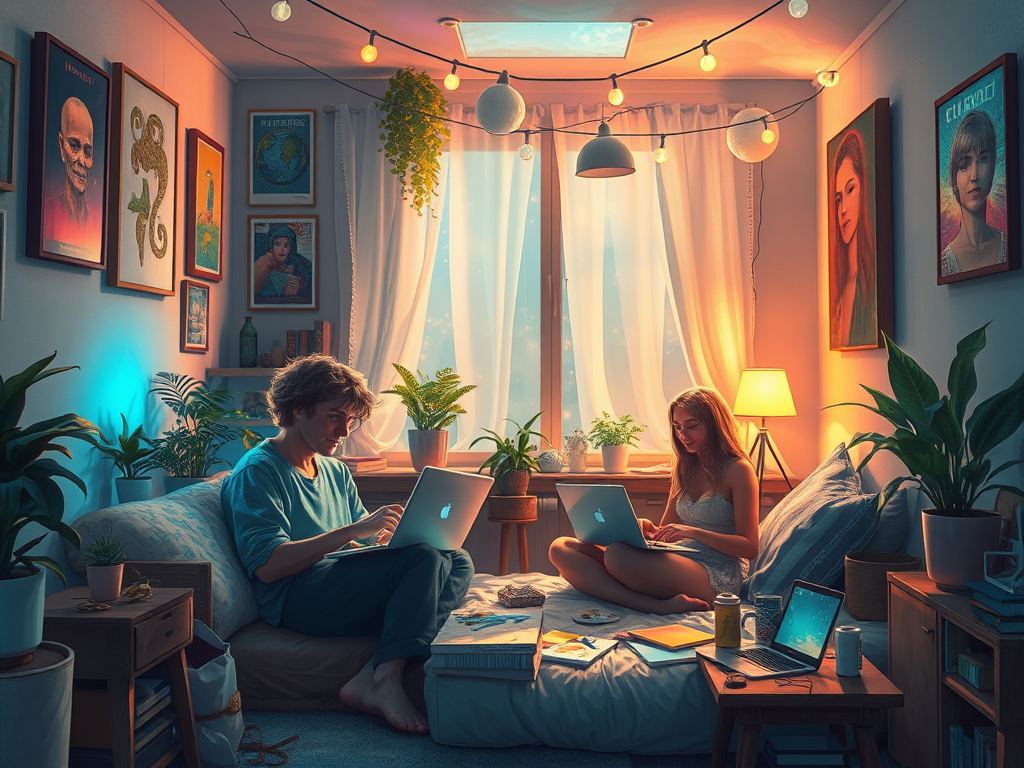
- ADHD & neurodivergent online communities – Forums, Discord servers, TikTok comments, Instagram DMs—these are often the first places where neurodivergent people find others like them.
- Support groups and local meetups – Many cities have ADHD or neurodivergent meetups, offering space for connection without pressure.
- Through shared interests – Hobbies, fandoms, niche obsessions—these can be magnets for neurodivergent folks and fertile ground for organic connection.
The key is showing up as yourself. Not the masked version. Not the one trying to keep up. But the you that is sometimes chaotic, deeply passionate, forgetful, intense, imaginative, and beautifully human.
When Friendship Feels Effortless
Neurodivergent friendships often skip the formalities. They jump straight into emotional depth, shared struggles, creative ideas, or philosophical tangents. There’s a reason these relationships can feel so powerful, even early on.
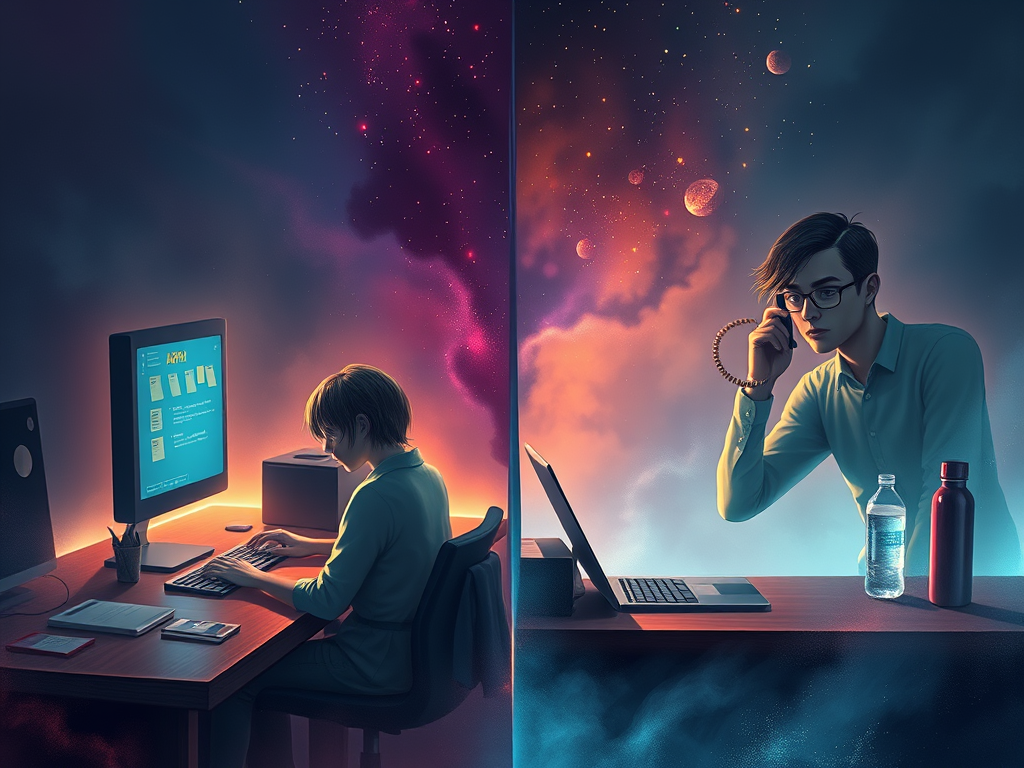
They allow for:
- Emotional safety – No fear of judgment.
- Validation – Someone else sees and experiences the world like you do.
- Celebration of differences – Not despite, but because of them.
These friendships remind us that connection doesn’t have to be polished or performative—it can be raw, silly, vulnerable, and incredibly real.
Tips to Nurture These Friendships
Even when the foundation is solid, friendships—especially between two people with ADHD—still need care.
- Use reminders to check in if object permanence makes you forget they exist when they’re not in front of you.
- Be transparent about what you can and can’t handle socially at any given time.
- Create your own social “rules” together—like voice notes instead of texts, or low-pressure hangouts where doing nothing is just fine.
- Celebrate each other’s wins—whether it’s finally doing the laundry or landing a job interview. Mutual cheerleading can build closeness fast.
Embracing the Beauty of Neurodivergent Connection
In a world that often misunderstands us, neurodivergent friendships are a refuge. They’re where we can stutter, stim, ramble, fall apart, get excited, and show up exactly as we are—and still be loved.
And when you find that kind of connection, hold onto it. Water it with kindness, patience, and grace—for both yourself and your friend. Because these relationships don’t just make life easier—they make it richer, deeper, and more joyful.
☕ Support My Work on Buy Me a Coffee
If this article resonated with you, consider supporting my blog over at BuyMeACoffee.com/truejourney.
Your support helps me continue writing honest, heartfelt articles about ADHD and neurodivergent life. Every coffee fuels more stories, more resources, and more visibility for those of us walking a different path.
 TrueJourney