
How to Maintain Friendships When You Have ADHD (and Time Blindness)
Friendship is one of life’s greatest gifts — but when you live with ADHD, especially time blindness, it can also feel like a never-ending apology tour. You forget birthdays, reply to texts days (or weeks) later, miss coffee meetups, or overcommit in a moment of hyperfocus only to cancel later from exhaustion or overwhelm.
You love your friends. You want to be a good friend. But somehow, despite your best intentions, things slip.

Let’s talk about that. Let’s unpack why ADHD makes friendship hard — and how we can maintain beautiful, sustainable relationships without masking or burning out.
🧠 Understanding the ADHD + Friendship Struggle
🚨 1. Time Blindness
You think: “I’ll text her later.” Suddenly it’s been 2 months.
Or: “I have time before the dinner.” Suddenly it’s 10 minutes after it started.
Time isn’t linear for ADHD brains — it’s “now” or “not now.” This distortion makes managing relationships tricky, especially when the world expects consistency.
📱 2. Delayed Communication
You write a message in your head… but never send it. Or you read a text, mean to respond, and forget — because it’s “out of sight, out of mind.”
🌀 3. Social Burnout
ADHDers can be incredibly social — until we crash. After overstimulation or emotional stress, we disappear. It’s not because we don’t care. It’s because our batteries hit zero.
😔 4. Shame Spiral
Missed texts. Flaky plans. You feel like a bad friend. The guilt builds up. You avoid the person altogether. Then the relationship fades, not from lack of love — but from self-protection.
Sound familiar?
You’re not alone. And you’re not broken. ADHD just means your brain navigates friendships differently — but that doesn’t mean you can’t have deep, lasting ones.
🌱 How to Be a Great Friend (Your ADHD Way)
Let’s reframe the idea of being a “good friend.” It’s not about being on time, or texting every day. It’s about showing up in your own way, with honesty, effort, and heart.
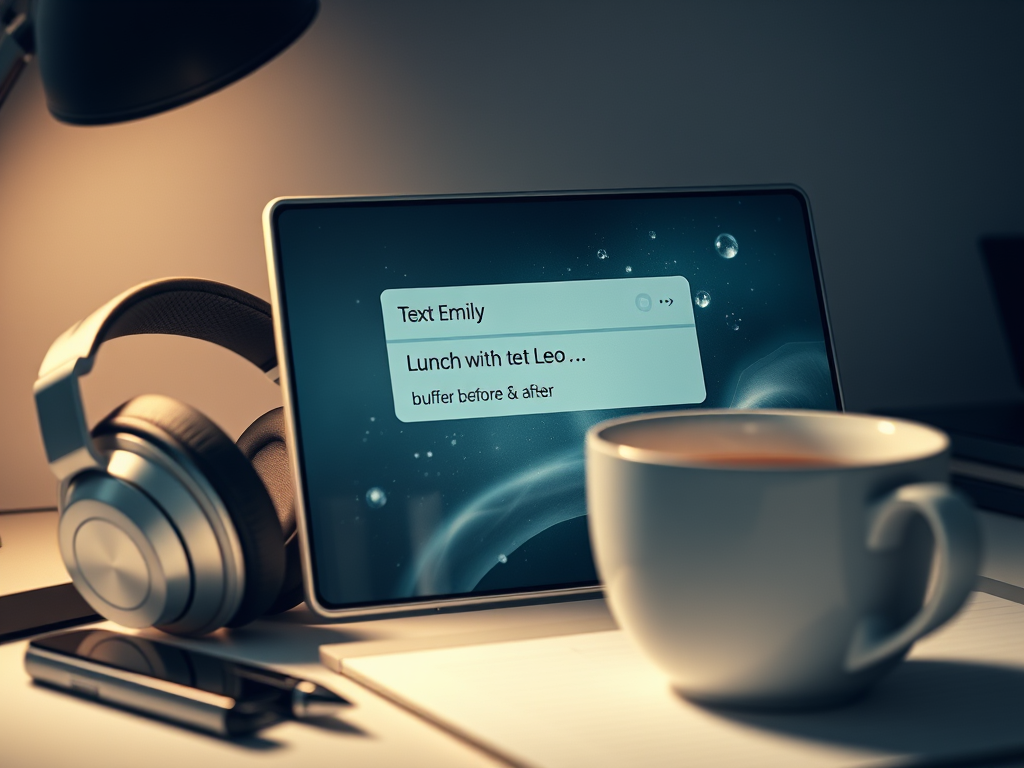
Here are ADHD-friendly friendship strategies that actually work:
⏰ 1. Externalize Time
- Use calendar reminders for birthdays, check-ins, or recurring hangouts
- Set alarms like: “Text Alex a meme today” or “Send voice message to Sara”
- Use apps like Beeper, Notion, or even your phone’s Notes widget
Don’t rely on memory — outsource it.
🎙 2. Voice Messages Over Text
If you struggle to type long responses, use voice notes. It feels more natural, it’s faster, and your energy can shine through better.
🧊 3. Create Low-Energy Connection Options
Not every catch-up has to be a 2-hour brunch.
- Share memes or reels to stay connected
- Send a random “thinking of you” emoji
- Watch a show “together” and text reactions later
- Plan “parallel hangouts” (study or chill side-by-side without pressure to talk)
🗓 4. Build in Buffer Time
If you’re often late or overwhelmed by back-to-back plans, block out buffer space in your day before and after social events. Your nervous system will thank you.
💬 5. Be Open About Your Brain
The most powerful words:
“Hey, I have ADHD and sometimes I disappear. I still care deeply about you.”
Most real friends will understand. And those who don’t? They may not be your people. And that’s okay too.
💞 Maintaining Healthy Neurodivergent Friendships
Some of your best friends might also be neurodivergent — and that’s beautiful. ADHD friendships often include:
- Nonlinear conversations
- Deep, spontaneous emotional connections
- Zero-judgment silence when someone disappears and returns months later
- Mutual support through executive dysfunction and chaos
But even in ND-to-ND friendships, it helps to co-create safety:
- “Want a 3-day reply window?”
- “Text me if I ghost — I don’t mean to!”
- “Can we create a monthly catch-up ritual?”
Friendship is about communication, not perfection.
💡 Real Talk: Friendship Isn’t Linear
Some seasons of life are harder than others. You might disappear for a while. You might forget a friend’s big day. You might cancel last-minute when your brain says, “nope.”

But here’s what you need to hear:
- You are not too much.
- You are not too inconsistent to be loved.
- You can maintain strong, meaningful friendships — ADHD and all.
The trick isn’t to become “better at socializing.” It’s to find systems that support your brain, and friends who meet you with compassion instead of expectation.
💙 Final Words
Friendship with ADHD can feel fragile — but it can also be fierce. We may not show up in traditional ways, but we often show up with incredible depth, creativity, and empathy.
So to all the ADHDers worried about being “a bad friend” — please know this:
You don’t have to mask to be loved.
You don’t have to be consistent to be valued.
You just have to be you — honest, trying, and human.
☕ Support My Journey
If this post resonated with you, consider buying me a coffee so I can keep writing from the heart:
👉 buymeacoffee.com/truejourney
 TrueJourney