
You log on to check your email…and 20 minutes later, you’re holding a virtual shopping cart full of things you didn’t plan to buy. A dopamine rush now, and regret later.
Sound familiar?
If you’re living with ADHD, you’re not alone in the struggle to manage online shopping temptations. The digital world is designed to hook your attention and reward impulsive clicks—and ADHD brains are especially sensitive to this kind of stimulation.
But here’s the good news: With the right strategies, you can enjoy the convenience of online shopping without falling into the trap of impulsive spending. This isn’t about guilt—it’s about understanding your brain, building better habits, and creating financial peace.
Let’s unpack why ADHD makes online shopping harder—and how you can take back control.
1. Why Online Shopping Feeds ADHD Impulsivity
ADHD isn’t just about attention—it’s about how the brain processes reward, stimulation, and self-regulation.

Here’s why online shopping is so irresistible:
- 🧠 Dopamine Hits: Each click, color, sale, or “limited time offer” gives the ADHD brain a rush of reward.
- 📦 Instant Gratification: Add-to-cart and same-day shipping offer satisfaction now, without delay.
- ⏰ Time Blindness: You might lose track of how long you’ve been browsing or how much you’ve already spent.
- 😣 Emotional Spending: ADHDers often shop to manage stress, boredom, anxiety, or overstimulation.
And because shopping online is so fast and frictionless, there’s often no pause between desire and purchase. That’s where the challenge—and the solution—lives.
2. ADHD-Friendly Tips to Reduce Impulsive Online Spending
You don’t need to quit online shopping altogether. You just need tools to insert space between the impulse and the action.
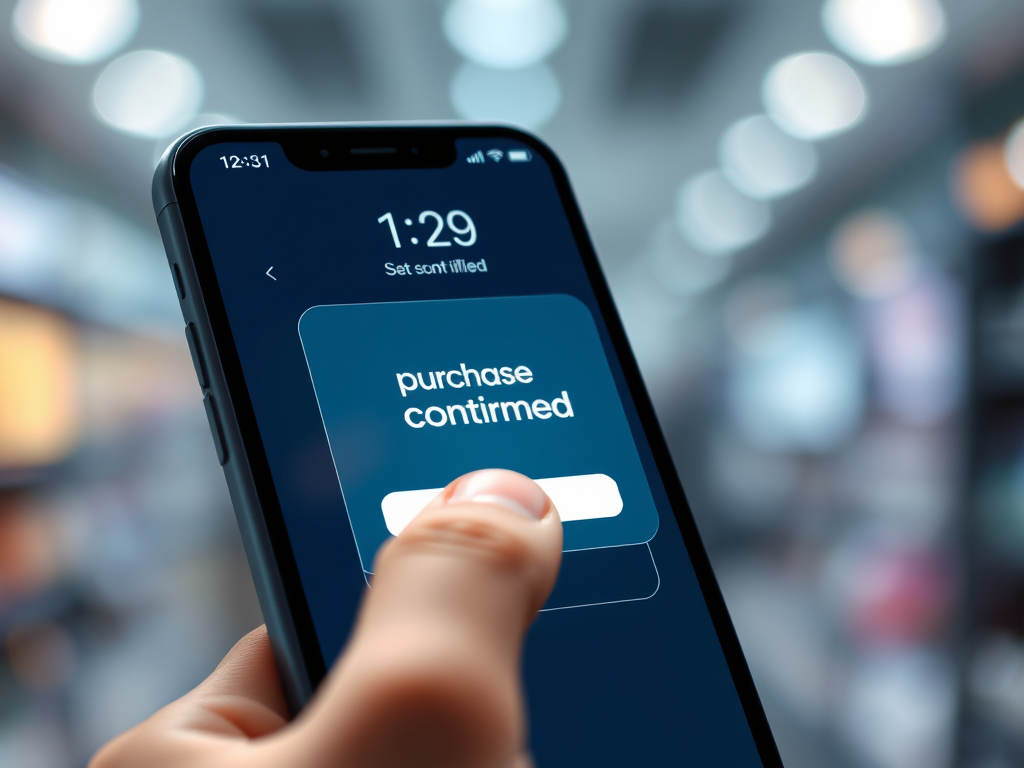
Here are strategies that actually work with your ADHD brain:
✅ Use the 24-Hour Rule
If you feel the urge to buy something, put it in your cart or wishlist—and then wait 24 hours.
Set a reminder to revisit the item later. Most of the time, the urgency fades. If you still want it tomorrow, revisit the decision with a clearer head.
✅ Unsubscribe from Temptation
Sales emails and push notifications are ADHD kryptonite.
- Unsubscribe from marketing lists
- Turn off app alerts
- Remove shopping apps from your phone
Less noise = less impulse.
✅ Create a “Cool Down” Shopping List
Have a running note or wishlist for things you want.
Revisit it weekly. This helps you track patterns, delay gratification, and make intentional choices rather than reactive ones.
✅ Use a Spending Timer
Set a 10-minute timer before you buy anything. This forces your brain to slow down and evaluate:
- Do I really need this?
- Do I already have something similar?
- How will I feel about this purchase in 48 hours?
✅ Budget with Visuals
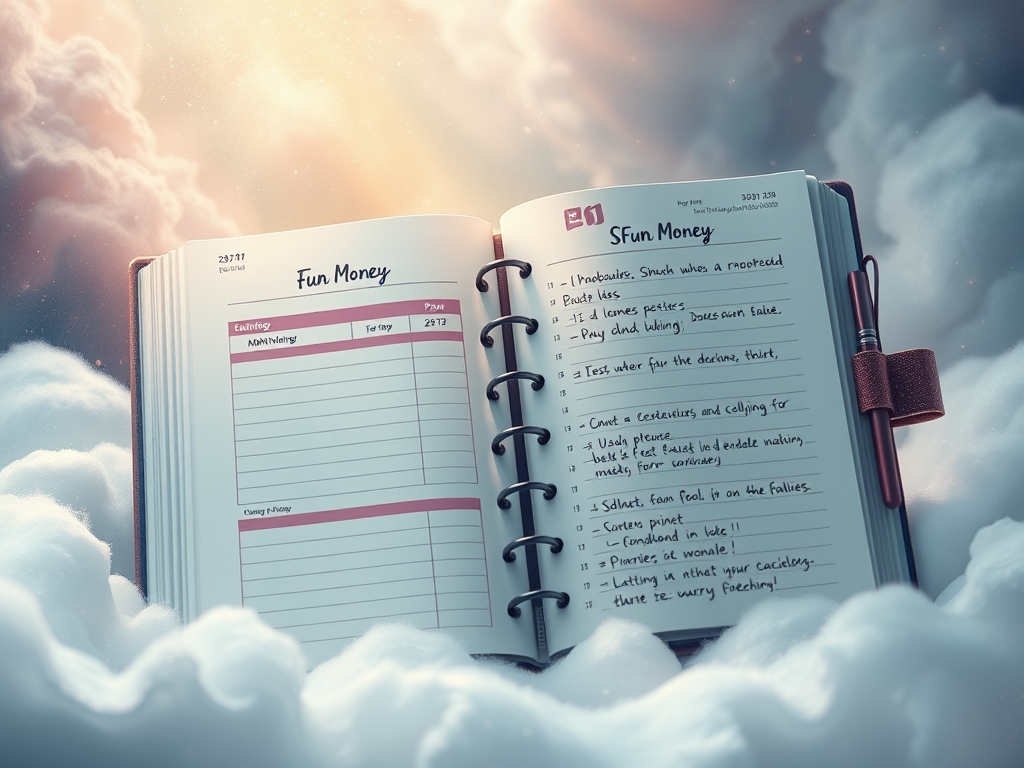
Use apps like YNAB or Goodbudget that show visual spending categories. Seeing your “fun money” or “shopping” balance in real time helps ground your decisions.
✅ Make Returns Easy
Sometimes impulsive buys slip through. That’s okay.
Keep packaging and receipts organized, and return things as soon as possible. ADHD-friendly rule: if it’s not opened or used in 7 days, it goes back.
✅ Create Shopping-Free Zones
Set times or zones where shopping is off-limits:
- No browsing after 9 PM
- No buying on your phone in bed
- No purchases during work breaks
This removes ADHD-friendly “hotspots” where impulsivity thrives.
3. Healing the Emotional Side of Impulsive Spending
Shopping can feel like a quick fix for deeper emotional needs—comfort, control, excitement, relief. But when the packages arrive and the guilt kicks in, you may feel worse than before.
Instead of judging yourself, ask:
- What was I feeling before I clicked “Buy Now”?
- What was I trying to escape or soothe?
- What might help me feel better in a more sustainable way?
And try replacing the habit with a dopamine-boosting alternative:
- Play upbeat music and dance for 5 minutes
- Doodle or create a digital mood board
- Call a friend or do a mini-declutter session
The goal isn’t to eliminate joy—it’s to redefine it in ways that support your goals and mental health.
4. Celebrate the Wins (Big and Small)
Every time you pause before spending, unsubscribe from a brand, or stick to your list—that’s a win.
ADHD progress is rarely linear, but it’s always worth celebrating.
📦 Didn’t click the flash sale email?
👏 Win.
🛒 Removed something from your cart after thinking twice?
👏 Win.
🧠 Reflected instead of shaming yourself after a slip-up?
👏 Huge win.
You’re not just learning to budget. You’re learning to build a more trusting, balanced relationship with yourself and your brain.
Final Thoughts: You Deserve Digital Peace and Financial Freedom

Living with ADHD in the digital age means swimming in a sea of temptation. But you can swim smarter.
You can build systems that give you pause, tools that hold space for your needs, and habits that put you back in control.
Remember:
✨ You’re not “bad with money.”
✨ You’re not irresponsible.
✨ You’re human—and learning.
Every small shift you make toward intention over impulse is a powerful act of self-respect. You deserve peace—not just in your wallet, but in your mind.
💙 Support My Work on Buy Me a Coffee
If this article helped you feel seen, supported, or inspired, please consider supporting my work at Buy Me a Coffee.
Your support helps me continue writing honest, neurodivergent-friendly content that empowers ADHDers to live with clarity, confidence, and compassion.
Every coffee helps more people feel a little less alone. ☕🧠💡
 TrueJourney