
In today’s hyperconnected world, managing screen time is a challenge for everyone—but for individuals with ADHD, the struggle can feel amplified. Endless scrolling, rapid dopamine hits from social media, and constant notifications pull at attention that’s already harder to regulate.
It’s not about weakness or lack of willpower. It’s about the way ADHD brains are wired: seeking stimulation, craving novelty, and battling impulsivity. Left unchecked, digital overload can lead to stress, procrastination, fractured focus, and even emotional burnout.
The good news? You can break the scroll cycle without having to give up your devices entirely. Let’s dive into understanding why digital life is so addictive for ADHDers—and how you can reclaim your time, your focus, and your peace.
1. Why ADHD Brains Are Vulnerable to Digital Overload
The ADHD brain craves stimulation—and digital platforms are expertly designed to provide it.
Every swipe, notification, and flashing update offers a hit of dopamine, the neurotransmitter that regulates pleasure and reward. For ADHDers, who often have lower baseline dopamine levels, that hit feels even more enticing—and harder to resist.

How Digital Overload Impacts ADHD:
🧠 Hyperfocus on the Wrong Things: Hours can slip away binge-watching TikToks or scrolling Reddit instead of tackling tasks.
🧠 Increased Anxiety: Overconsumption of information, negativity, or unrealistic comparisons can trigger overwhelm.
🧠 Task Switching Fatigue: Constantly bouncing between apps fractures attention and exhausts executive function.
🧠 Sleep Disruption: Screen use at night suppresses melatonin, making it harder to fall asleep—compounding ADHD symptoms the next day.
2. Recognizing the Scroll Cycle
Before you can change it, you have to notice it.
Signs you’re stuck in a scroll cycle:
- Opening an app without thinking and losing track of time
- Jumping between social media, email, news, and back again
- Feeling mentally drained after short periods online
- Getting easily frustrated or anxious while scrolling
- Procrastinating important tasks by distracting yourself online
Awareness is the first act of resistance. Once you see the pattern, you can start to break it.
3. ADHD-Friendly Strategies to Break the Scroll Cycle
Here’s the key: Don’t fight your brain. Work with it.
These strategies are designed to honor the ADHD need for stimulation while creating healthier boundaries with digital life.
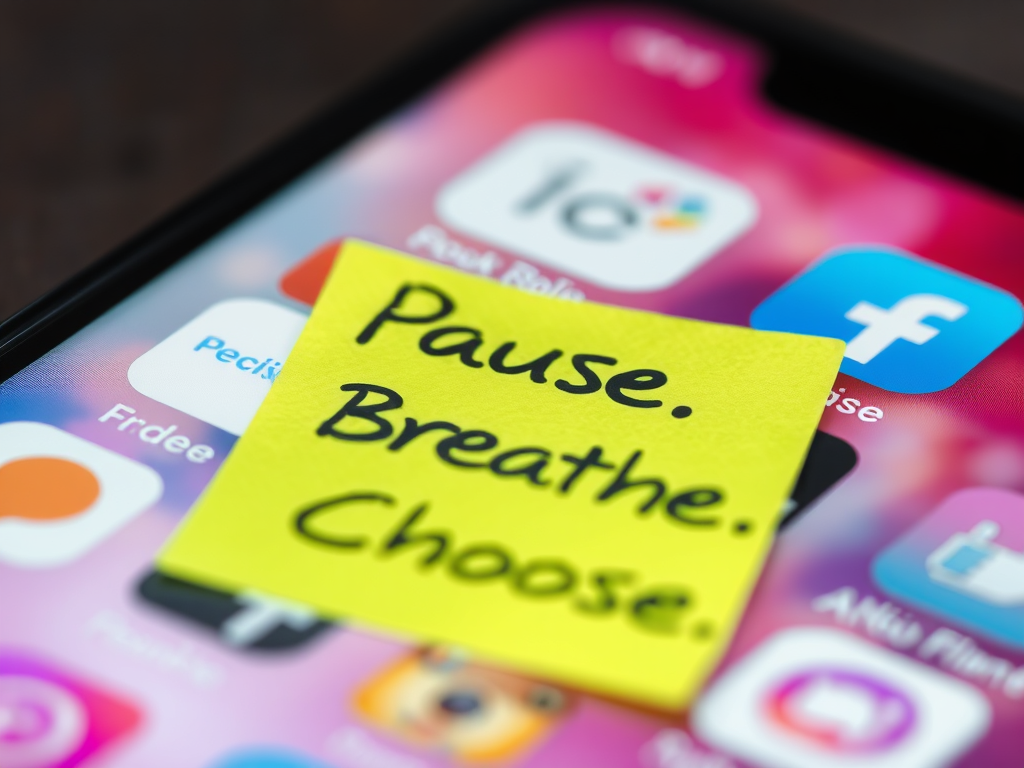
📵 Create “Friction” Around Apps
The easier it is to open an app, the more you’ll do it on impulse. Slow yourself down by:
- Moving apps off your home screen
- Turning off non-essential notifications
- Logging out after each use
- Setting screen time limits on specific apps
A few extra taps can give your brain time to ask: Do I really want to do this right now?
⏳ Set Intentional Time Blocks for Tech
Instead of banning screens entirely (which usually backfires), schedule “scroll time” consciously.
- 15 minutes of TikTok after lunch
- 30 minutes of gaming after finishing a work task
- Watching YouTube videos as a reward after completing a project
This frames digital use as a treat, not a trap.
📝 Use the “3-Task Rule” Before Scrolling
Before opening any entertainment app, ask yourself:
✅ Have I completed three important tasks today?
✅ If not, what’s one thing I could do first?
This gentle checkpoint redirects your brain without judgment.
🚶 Break the Motion = Scroll Habit
Many ADHDers grab their phone automatically whenever there’s a transition (waiting in line, feeling bored, finishing a task). Instead, prep alternative stimulation:
- Keep a fidget toy or puzzle nearby
- Carry a small notebook for doodling or list-making
- Practice mindful breathing for 1 minute before opening your phone
Breaking the automatic link between boredom and scrolling rewires your brain over time.
🌙 Create a Digital Sunset
ADHD brains often struggle to power down at night. Establish a “digital sunset” where you stop using screens 30–60 minutes before bed.
- Use that time for a calming ritual: reading, journaling, stretching
- Keep devices out of the bedroom if possible
- Switch screens to night mode or use blue-light filters after dark
Protecting your sleep protects your executive function for the next day.
4. Building a Healthier Relationship with Technology
It’s not about going screen-free forever. It’s about building an intentional relationship with your devices—where they serve you, not the other way around.
Technology isn’t the enemy. But mindless, reactive use is exhausting for ADHD brains. Mindful, purposeful use can actually boost creativity, connection, and learning when done with intention.
Ask yourself:
- What apps or online activities genuinely energize me?
- Which ones leave me feeling drained?
- How can I design my digital life to nourish, not deplete, me?
Final Thoughts: You Deserve Digital Peace
Managing digital overload with ADHD isn’t about deprivation. It’s about creating more room for the things that truly light you up—creativity, deep work, laughter, rest, connection.

It’s about treating your brain with the gentleness, structure, and understanding it deserves.
Breaking the scroll cycle won’t happen perfectly or overnight. But every time you pause, every time you choose intention over impulse, you’re rewiring your relationship with technology—and reclaiming your time, your focus, and your life. 💙
You’re doing better than you think. One mindful click at a time.
💙 Support My Work on Buy Me a Coffee
If this article resonated with you and you’d like to support ADHD-friendly content that brings encouragement, real-life strategies, and hope to our community, please visit my Buy Me a Coffee page.
Every coffee helps me keep writing, growing, and building spaces where neurodivergent voices feel seen, heard, and empowered. Thank you for being part of this beautiful journey. ☕📱🌿
 TrueJourney