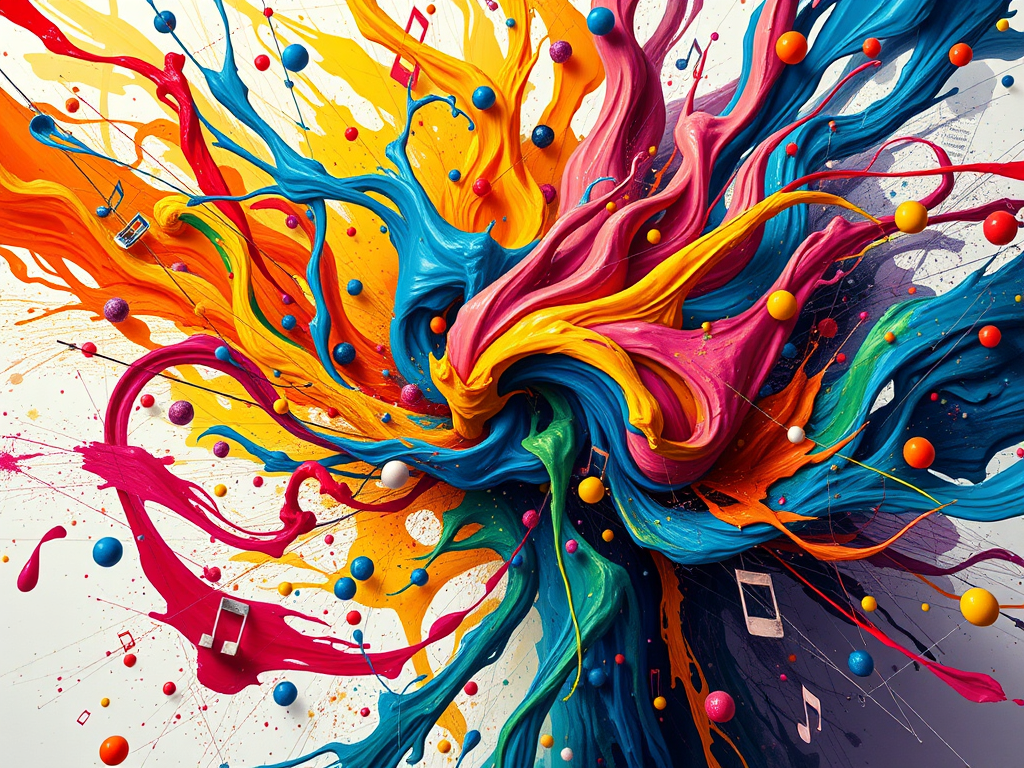
When people think of ADHD, the first images that often come to mind are restlessness, distraction, and impulsivity. But there’s another side—one that’s vibrant, bold, and full of brilliance. Beneath the surface chaos, people with ADHD often possess a wellspring of creative potential that defies convention and breathes life into innovation, storytelling, art, and entrepreneurship.
ADHD may challenge focus and consistency, but it also invites curiosity, nonlinear thinking, and fearless imagination—the very ingredients that fuel creative genius. In this article, we’ll explore why the ADHD brain is wired for creativity, how to harness it, and why embracing the chaos can lead to unexpected brilliance.

1. How the ADHD Brain Thinks Differently
ADHD affects executive function, which governs how we plan, prioritize, regulate attention, and process information. While this can make traditional structures and expectations difficult, it also means the ADHD brain processes ideas in a less linear, more associative way.
Imagine your thoughts like sparks—one idea rapidly igniting another, then another. It can feel overwhelming at times, but it’s also the birthplace of fresh ideas, unexpected connections, and innovation.
Key ADHD Traits That Fuel Creativity:
- Divergent Thinking: The ability to think of many solutions to one problem.
- Hyperfocus: Deep, immersive focus when a subject is exciting or meaningful.
- Intuition + Pattern Recognition: Seeing connections others might miss.
- Risk-Taking Nature: Willingness to experiment, take creative leaps, and break rules.
- Emotional Depth: Passionate, intense feelings often poured into artistic expression.
2. Creativity Through Chaos: When Disorder Becomes a Catalyst
Many ADHDers describe their mind as a whirlwind—messy, unpredictable, and hard to tame. But within this “chaos” lies something powerful: freedom from the rigid, and the ability to see the world in ways others cannot.

Think of artists like Vincent van Gogh, entrepreneurs like Richard Branson, or performers like Emma Watson—all publicly diagnosed with ADHD or open about their neurodivergence. Their greatness didn’t come from fitting the mold. It came from breaking it.
What may look like disorder to others—unfinished notebooks, scattered sketches, impulsive pivots—can be creative energy in motion, waiting for the right channel.
3. Real-Life Examples of ADHD Creativity
🎨 The Artist
Talia, an illustrator with ADHD, couldn’t sit through long classes or follow traditional art assignments. But in her free time, she’d hyperfocus for hours, drawing surreal worlds that blended memory and imagination. Today, she sells her art online and runs a thriving Etsy store.
🎵 The Musician
Andre struggled with routines and deadlines but was deeply moved by sound. He’d write full compositions in a burst of hyperfocus at 2 AM, then forget to eat breakfast. His spontaneous process became his signature—and he now scores for indie films.
🧠 The Inventor
Maya, a teen with ADHD, was always tinkering. While others studied the manual, she tore it apart and rebuilt it her way. Her disassembly of “rules” led to an award-winning science project—and a scholarship to study robotics.
These stories aren’t rare. They’re the hidden narratives of neurodivergent brilliance that often goes unseen in traditional spaces.
4. How to Harness ADHD Creativity
The ADHD brain might not always work on command, but it thrives when passion, interest, and novelty are in play. Here’s how to nurture creative energy while managing chaos:

✦ Create “Creative Containers”
- Set up specific spaces or times for creative work. (Ex: A corner for painting or a set hour for journaling.)
- Don’t wait for perfection—let the mess be part of the magic.
✦ Use Tools that Support Brainstorming
- Mind maps, visual mood boards, voice memos, sticky note walls.
- Use nonlinear formats that allow your ideas to breathe.
✦ Balance Structure with Freedom
- Too much structure feels suffocating. Too little leads to chaos. Try:
- Timed sprints (like the Pomodoro method for creative bursts)
- Loosely scheduled days with “creative zones” built in
- Rewards after completing focused sessions
✦ Collaborate with Others
- ADHD creatives often thrive in co-creative environments—bouncing ideas, building momentum, feeling seen.
- Join a writer’s circle, art collective, or ADHD-friendly mastermind group.
✦ Rest Without Guilt
- Brilliance requires recovery. Don’t shame yourself for downtime. Let rest be part of the creative process.
5. Redefining Genius and Success
ADHD often doesn’t fit into the neat boxes society calls “productive” or “successful.” But creativity isn’t about checklists—it’s about authentic expression, innovation, and emotional connection.

ADHD-fueled genius may look chaotic, unconventional, or slow to start—but it’s also:
✨ Deeply original
✨ Wildly imaginative
✨ Fearlessly experimental
✨ Resilient in the face of pressure
When we stop trying to suppress the chaos and start working with it, we allow ADHD creativity to shine on its own terms.
Final Thoughts: You Are Not Broken—You Are Brilliant
Your mind may wander, your desk may be a mess, and your process may not make sense to anyone else. But your creativity—your raw, unfiltered, nonlinear magic—is valid, powerful, and deeply needed in the world.
So next time you find yourself lost in thought, starting three projects at once, or dreaming up something that no one else understands, remember:
💡 That’s where genius begins.
Let your ADHD be the spark—not the setback—in your creative journey.
💙 Support My Work on Buy Me a Coffee
If you’ve enjoyed this article and want to support more neurodivergent-friendly writing, resources, and storytelling, please consider visiting Buy Me a Coffee.
Every coffee fuels future posts, encourages deeper conversations about ADHD and creativity, and helps me continue sharing real, empowering content for those who often feel unseen.
Thank you for believing in this journey and supporting neurodivergent voices! ☕🎨💡
 TrueJourney