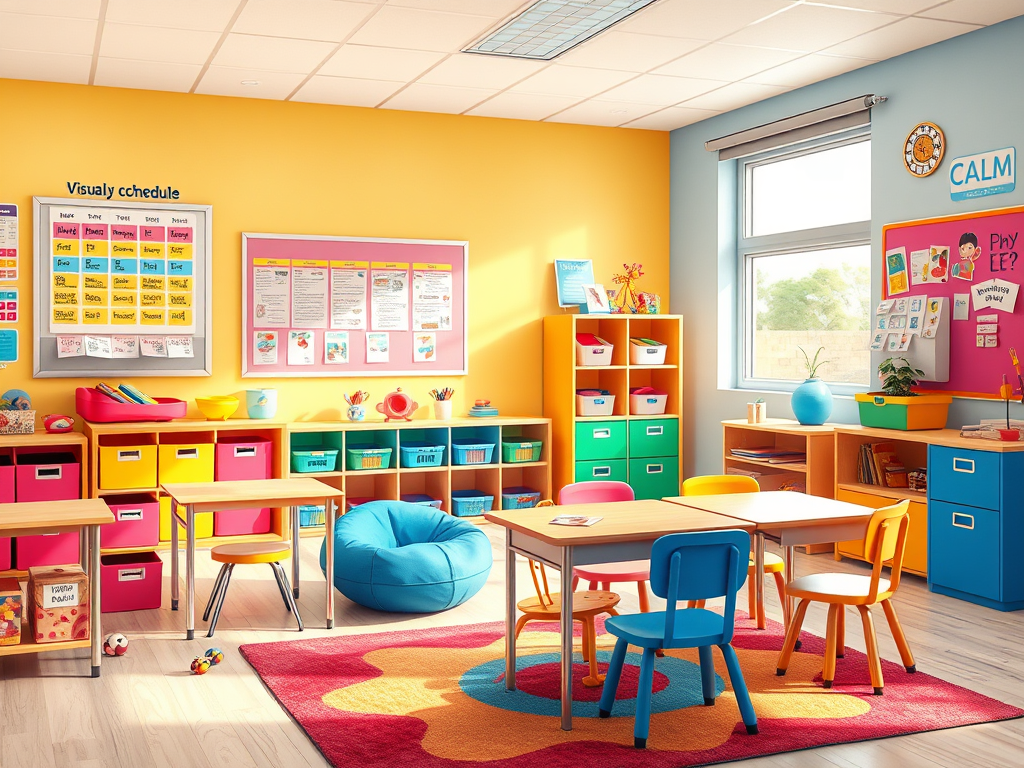
When we think about supporting children with ADHD, medication often dominates the conversation. While medication can be an essential part of treatment for many kids, it’s only one piece of the puzzle. Classroom support, structure, and understanding are just as important—sometimes even more so—in helping a child with ADHD thrive.
Whether you’re a teacher, parent, or caregiver, understanding how to support ADHD beyond medication can make a world of difference in a child’s academic performance, confidence, and overall well-being. This article explores classroom-friendly strategies that empower kids with ADHD to succeed in ways that honor their unique brains and learning styles.
1. Understanding ADHD in the Classroom
Children with ADHD are often described as distracted, disruptive, or disorganized—but these labels overlook the deeper truth: kids with ADHD have brain-based challenges with executive function. These include difficulties with:

- Focus and sustained attention
- Impulse control and behavior regulation
- Time management and task completion
- Memory and organization
They may also experience Rejection Sensitivity Dysphoria (RSD) and emotional dysregulation, which can make social situations and peer relationships even more difficult. But when these kids receive the right structure and support, they can thrive—not in spite of ADHD, but often because of it.
2. Supportive Classroom Strategies (That Go Beyond Medication)
1. Visual Schedules and Predictable Routines
ADHD brains crave structure. Visual schedules and consistent routines help reduce anxiety and mental load.
- Use color-coded daily schedules posted at the front of the classroom.
- Include transition warnings (e.g., “5 minutes until cleanup”) to help kids shift gears.
- Reinforce routines with visual cues like icons or charts on desks or walls.
2. Flexible Seating and Movement Breaks
Sitting still for long periods can be torturous for kids with ADHD. Letting them move can actually improve their focus.
- Offer fidget tools (tactile strips, small stress balls).
- Use flexible seating (wiggle stools, floor cushions, standing desks).
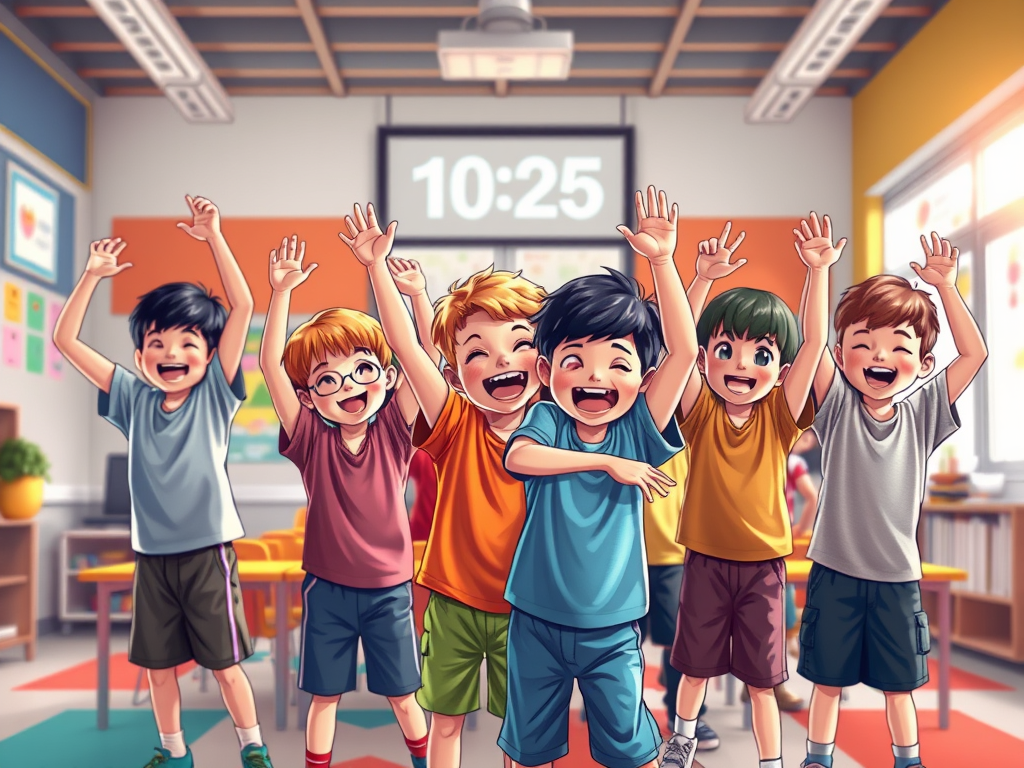
- Schedule short movement breaks every 20–30 minutes (jumping jacks, stretching, a lap around the classroom).
3. Chunking Instructions and Tasks
Kids with ADHD often struggle with following multi-step directions. Breaking things down makes them more manageable.
- Give one instruction at a time.
- Use visual checklists for steps in a task (e.g., “Write name, read instructions, underline key words”).
- Ask them to repeat instructions back to confirm understanding.
4. Positive Reinforcement and Strength-Based Feedback
Many ADHD kids are used to hearing what they’re doing wrong. Positive reinforcement builds confidence and motivation.
- Focus on effort over outcome: “I love how you started your work right away!”
- Create a reward system for completed tasks or positive behaviors.
- Celebrate unique strengths like creativity, curiosity, humor, or problem-solving.
5. Personalized Learning Approaches
ADHD isn’t one-size-fits-all. Some kids are auditory learners, some are visual, and others need hands-on activities.
- Use colorful visuals, storytelling, or movement-based learning.
- Allow oral responses instead of written ones when possible.
- Break big assignments into daily bite-sized chunks.
3. Supporting Emotional and Social Well-Being
Academic support is only part of the equation. Children with ADHD also need help with emotional regulation and social skills.
1. Emotional Check-Ins
Start the day with a quick check-in or feelings chart to help students identify how they’re feeling.
- Teach emotion vocabulary and regulation techniques like deep breathing or using a calm corner.
2. Social Coaching
Kids with ADHD often misread social cues or act impulsively in groups.
- Offer scripts or role-playing to help them practice navigating peer interactions.
- Pair them with peer buddies or social mentors to encourage positive relationships.
3. Create a Safe, Encouraging Environment
Make the classroom a place where mistakes are okay and individuality is embraced.
- Avoid public discipline—use private redirection and support.
- Recognize that outbursts or daydreaming aren’t defiance—they’re signs the child needs support.
4. Partnering with Parents and Caregivers
Support doesn’t stop at the school gate. Parents are often the best allies when it comes to supporting a child with ADHD.

- Communicate regularly through short weekly updates.
- Share what works at school so they can mirror it at home.
- Be open to suggestions—they know their child’s patterns and triggers best.
Working as a team helps ensure consistency and encourages the child to feel supported on all fronts.
5. When Medication Is a Tool, Not the Whole Solution
For some children, medication can be a powerful tool. But it’s not a cure, and it doesn’t replace the need for understanding, structure, and compassion.
Even with medication, children still benefit from:
- ADHD-friendly teaching strategies
- Social and emotional learning support
- Positive relationships with teachers and peers
The best approach is often a holistic one—where medication is one tool in a toolbox full of supportive strategies.
Final Thoughts: Supporting Kids Means Supporting the Whole Child
Kids with ADHD need more than just medication to thrive in the classroom—they need encouragement, flexibility, connection, and a belief in their potential.
By building ADHD-friendly classrooms that embrace neurodiversity, we don’t just help ADHD kids—we create better learning environments for all children.
With the right support, kids with ADHD can become engaged learners, creative problem-solvers, and confident thinkers. And it all starts with understanding and compassion.
💙 Support This Work on Buy Me a Coffee
If this article resonated with you and you’d like to support my mission to create ADHD-friendly resources for families, educators, and individuals, you can visit my Buy Me a Coffee page.
Your support allows me to keep writing and sharing personal insights, practical strategies, and uplifting messages for the ADHD community. Every coffee, every kind word, and every share helps grow this journey of awareness, empathy, and empowerment.
Thank you for being a part of this movement. You are truly appreciated. 💙
 TrueJourney