
Balancing work and personal life can feel challenging for anyone, but for individuals with ADHD, the difficulties can be amplified. The tendency to hyperfocus on work tasks, forget about personal needs, or feel overwhelmed by workplace demands often leads to burnout and stress. Setting healthy boundaries is essential—not only for managing ADHD but for maintaining mental health and a sense of balance in your life.
In this article, we’ll explore practical strategies for creating boundaries at work, communicating effectively, and thriving with ADHD in a professional environment.
Why Boundaries Matter for People with ADHD
Boundaries serve as a protective barrier, ensuring you don’t overextend yourself. For people with ADHD, boundaries help:
- Prevent Overcommitment: Impulsivity can lead to saying “yes” to too many tasks, which quickly becomes overwhelming.
- Reduce Burnout: Hyperfocus might lead you to work long hours, but this can deplete your energy and leave little time for self-care.
- Enhance Focus: Clear boundaries create structure, which ADHD brains thrive on, making it easier to stay on track.
By establishing healthy boundaries, you empower yourself to prioritize your needs while still meeting professional responsibilities.

1. Start with Self-Awareness
Before you can set boundaries, it’s essential to understand your own limits, triggers, and needs.
- Identify Triggers: Pay attention to tasks, situations, or people that drain your energy or disrupt your focus.
- Recognize Your Strengths: Focus on what you excel at and use these strengths to shape your role and responsibilities.
- Define Your Priorities: Decide what matters most to you—whether it’s finishing work on time, spending evenings with family, or protecting your weekends.
2. Communicate Boundaries Clearly
Once you’ve defined your boundaries, it’s important to communicate them effectively to colleagues and supervisors.
- Be Honest and Direct: Use clear language to express your needs. For example:
- “I’m most productive when I can work without interruptions in the morning.”
- “I prefer to keep work emails to work hours, so I’ll respond during that time.”
- Frame Boundaries Positively: Instead of focusing on what you won’t do, emphasize what helps you perform better.
- Example: “I do my best work when I can focus on one project at a time, so I’d appreciate clear deadlines and priorities.”
- Set Expectations Early: Whether you’re starting a new job or managing a new project, establish boundaries from the beginning to avoid misunderstandings.
3. Learn to Say No
For many people with ADHD, saying no can feel uncomfortable, especially if you worry about disappointing others. But overloading yourself with tasks often leads to stress and burnout.
- Practice Polite Refusals:
- “I’d love to help, but I’m currently at capacity and won’t be able to give this my full attention.”
- “That sounds great, but I need to focus on my current priorities before taking on anything new.”
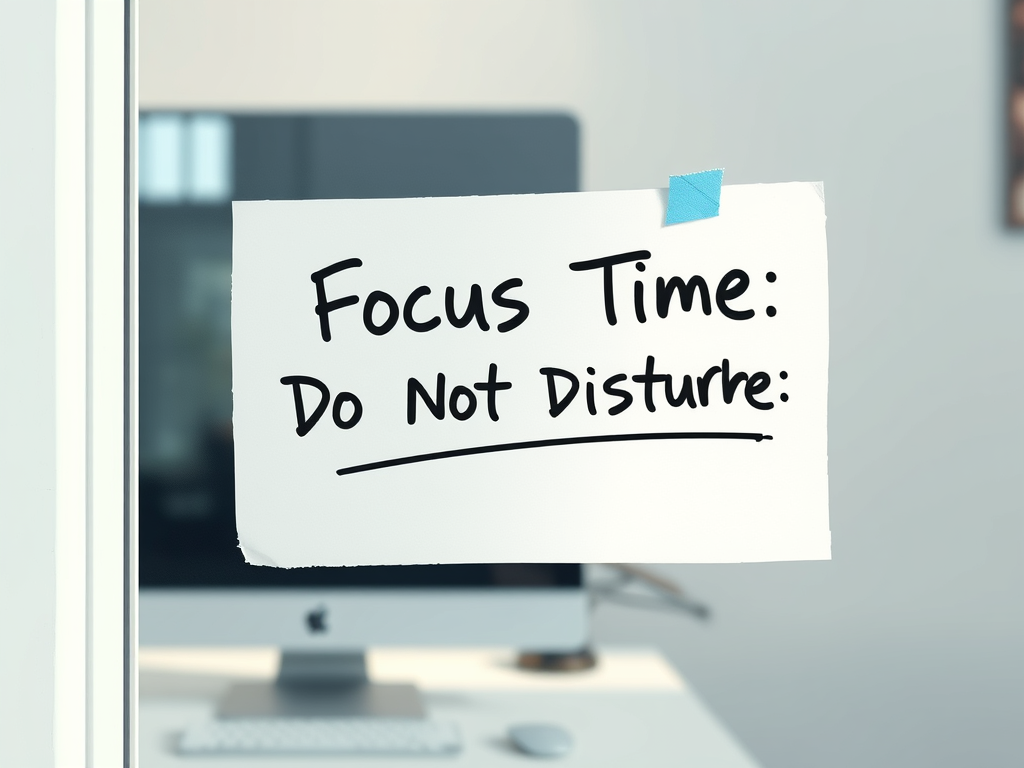
- Set Limits on Availability: If you’re constantly being asked to assist with extra tasks, consider scheduling dedicated focus times where you’re unavailable for interruptions.

4. Create ADHD-Friendly Work Habits
Healthy boundaries are easier to maintain when your work habits align with the way your brain functions.
- Use Time Blocking: Schedule your day in blocks to ensure you have time for focused work, breaks, and personal activities.
- Set Alarms or Reminders: Use timers to keep yourself on track and remind you to step away from work at the end of the day.
- Take Breaks Seriously: Build short, regular breaks into your schedule to recharge.
- Establish a Wind-Down Routine: Set a hard stop for work, and create a routine that signals it’s time to transition to personal time.
5. Protect Your Work-Life Balance
Setting boundaries isn’t just about work; it’s also about safeguarding your personal time and mental health.
- Unplug After Hours: Resist the urge to check emails or respond to work messages outside of work hours.
- Prioritize Self-Care: Use the time you’ve protected for activities that recharge you—exercise, hobbies, or spending time with loved ones.
- Celebrate Small Wins: Acknowledge your efforts to set and maintain boundaries, even if it feels challenging at first.
6. What to Do When Boundaries Are Tested
Despite your best efforts, there will be times when others push against your boundaries.
- Stay Firm but Kind: Remind others of your boundaries without becoming defensive.
- “I understand this feels urgent, but I’ve already committed my time elsewhere. Let’s schedule this for tomorrow.”
- Reassess and Adjust: If you find certain boundaries aren’t working, revisit and refine them. Flexibility is key, especially in dynamic work environments.
Final Thoughts: Thriving with ADHD at Work
Setting healthy boundaries at work when you have ADHD is a process of self-awareness, communication, and practice. It’s about creating a structure that allows you to do your best work while protecting your energy and well-being.
Remember, boundaries aren’t barriers—they’re bridges to a healthier, more balanced life. By advocating for your needs, you can empower yourself to thrive, both professionally and personally.
If you found this article helpful, consider supporting my work on Buy Me a Coffee. Your support helps me continue creating resources for navigating life with ADHD.
 TrueJourney