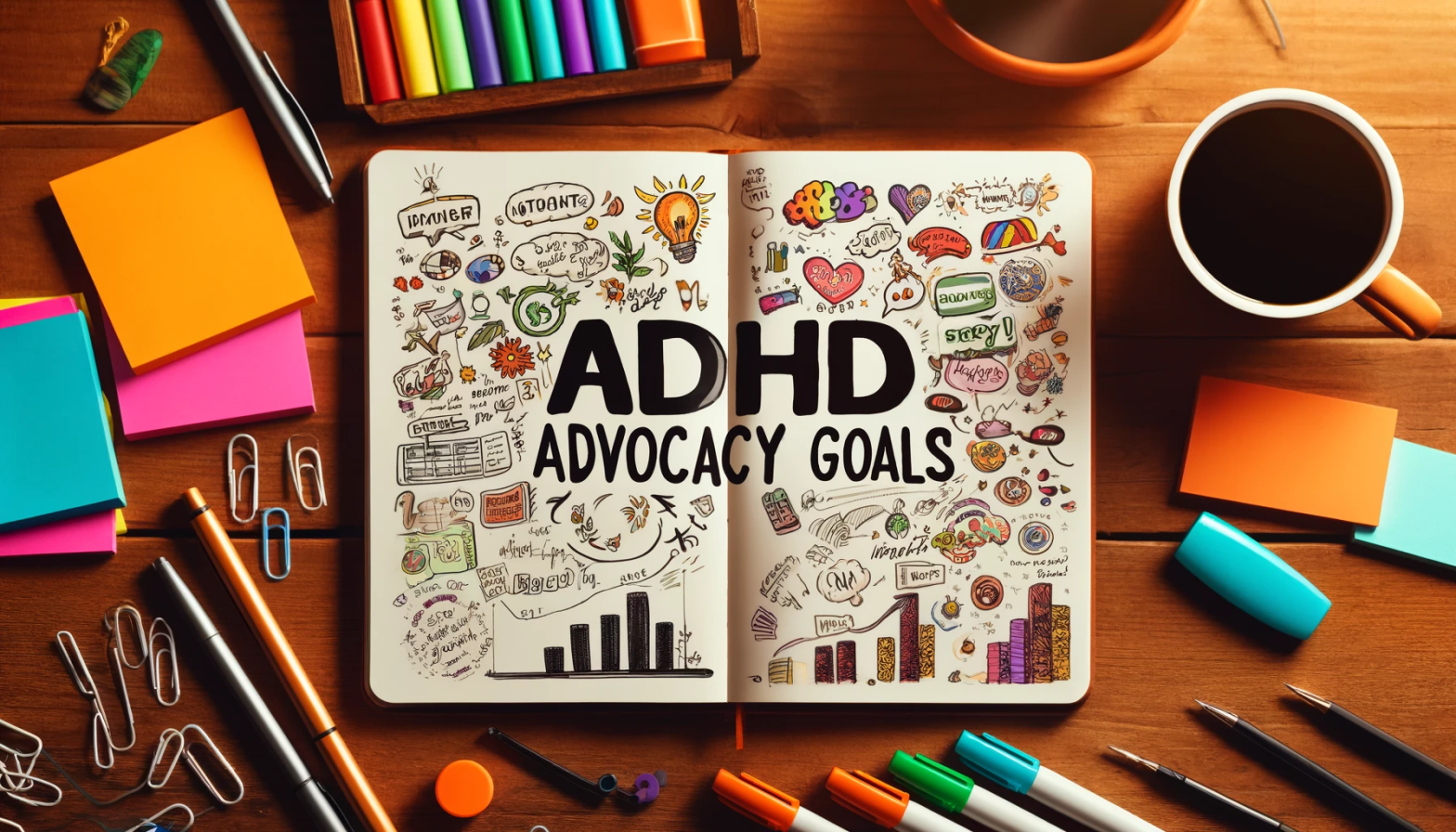
In a world that often prioritizes conformity over diversity, the voices of neurodivergent individuals—especially those with ADHD—are more important than ever. Advocacy for ADHD awareness isn’t just about gaining understanding; it’s about creating a society where differences are celebrated, needs are met, and individuals can thrive.
This article explores why ADHD advocacy matters, the challenges the ADHD community faces, and how we can all play a part in empowering neurodiverse voices.
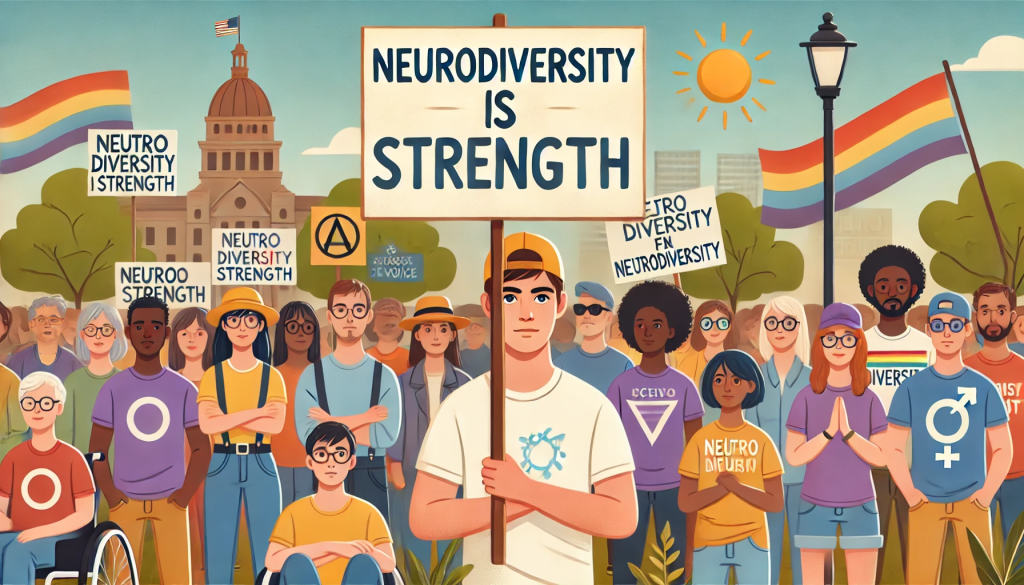
1. Why ADHD Advocacy Matters
ADHD advocacy is essential for fostering awareness, breaking down stigma, and promoting inclusion. People with ADHD often face misconceptions that undermine their capabilities and dismiss their struggles. Advocacy shines a light on these issues, challenging outdated stereotypes and championing systemic change.
- Breaking Down Stigma: Advocacy educates the public about what ADHD is—and isn’t. It shifts the narrative from one of laziness or lack of discipline to one of understanding and support.
- Promoting Accessibility: ADHD advocacy pushes for accommodations in schools, workplaces, and healthcare systems, ensuring neurodiverse individuals have the tools they need to succeed.
- Celebrating Neurodiversity: Advocacy highlights the unique strengths of ADHD, like creativity, problem-solving skills, and resilience, encouraging society to value these traits.
2. The Challenges of Living with ADHD
Despite growing awareness, people with ADHD often encounter significant barriers:
- Lack of Understanding: ADHD is still misunderstood as a childhood disorder, with many adults struggling to access diagnoses and support.
- Healthcare Inequities: Access to ADHD assessments, treatments, and medication can be challenging due to long wait times, high costs, or lack of specialized services.
- Workplace Struggles: Without accommodations, ADHD individuals may face difficulties with organization, time management, and maintaining focus, often leading to underemployment.
- Stigmatization: Social stigma can lead to feelings of shame, isolation, or self-doubt, making it harder for people with ADHD to advocate for themselves.

3. How Advocacy Empowers Neurodiverse Voices
ADHD advocacy amplifies the voices of those who have historically been marginalized or misunderstood. Here’s how it creates positive change:
Education and Awareness
Advocates work to educate society about ADHD through social media campaigns, public speaking, and personal storytelling. These efforts help reduce misconceptions and create a more empathetic culture.
Policy Change
Advocacy organizations lobby for better policies that address ADHD needs, such as funding for mental health services, workplace accommodations, and equal educational opportunities.
Community Building
By fostering a sense of community, ADHD advocacy helps individuals feel seen, heard, and supported. Peer groups, online forums, and support networks provide safe spaces for connection and growth.
4. How You Can Advocate for ADHD Awareness
Whether you have ADHD or simply care about the neurodiverse community, your voice matters. Here are some ways you can advocate:
- Share Your Story: Personal experiences can have a powerful impact. Sharing yours can inspire others and challenge stereotypes.
- Engage on Social Media: Follow and support ADHD advocates and organizations, sharing their content to amplify their messages.
- Support Legislation: Write to your local representatives about the importance of funding ADHD resources and improving accessibility.
- Educate Others: Talk openly with friends, family, and coworkers about ADHD. Normalize conversations about neurodiversity.
- Donate or Volunteer: Support organizations dedicated to ADHD advocacy and education.
5. Celebrating Neurodiversity: The Future of ADHD Advocacy
The ultimate goal of ADHD advocacy is to create a world where neurodiversity is not just accepted but celebrated. This means continuing to push for systemic changes while highlighting the strengths and talents of people with ADHD.
Advocacy reminds us that diversity makes society stronger. By empowering neurodiverse voices, we create a future where everyone can thrive—ADHD and beyond.
If you found this post helpful and would like to support my work, consider visiting my Buy Me a Coffee. Your support helps me continue creating content to empower individuals with ADHD.
 TrueJourney