
Financial setbacks can be a tough pill to swallow for anyone, but for people with ADHD, the emotional toll can feel especially overwhelming. ADHD often brings challenges like impulsivity, difficulty with planning, and emotional sensitivity, which can amplify the stress and guilt that come with financial struggles.
If you’ve experienced a financial setback—whether it’s overspending, missed bills, or a sudden unexpected expense—it’s important to approach the situation with compassion and a plan for recovery. Let’s explore why financial challenges can feel so intense for people with ADHD and how you can bounce back with resilience and hope.
Why Financial Setbacks Hit Harder with ADHD
1. Impulsivity and Regret
Impulsivity is a common trait of ADHD, and it can lead to spending decisions that feel great in the moment but spark regret later. Overspending on unnecessary items or forgetting to stick to a budget can create a cycle of guilt and self-blame.
2. Emotional Sensitivity
ADHD often comes with heightened emotional reactivity. This means that financial setbacks might trigger intense feelings of shame, failure, or hopelessness. You might find yourself ruminating on what went wrong instead of focusing on how to fix it.

3. Struggles with Planning and Organization
Late fees, missed payments, or neglected budgets are often rooted in ADHD-related challenges with time management and organization. These setbacks can feel like personal failures, even though they’re often symptoms of ADHD.
The Emotional Impact of Financial Challenges
Financial stress doesn’t just affect your wallet—it can impact your mental health, relationships, and self-esteem. Some common emotions people with ADHD experience during financial setbacks include:
- Shame and Guilt: Feeling like you’ve let yourself or others down.
- Anxiety: Worrying about how to fix the situation or fearing future setbacks.
- Frustration: Being upset with yourself for repeated patterns of spending or forgetting.
- Hopelessness: Believing you’ll never get better at managing money.
These emotions are valid, but they don’t define you or your ability to bounce back.
How to Bounce Back from Financial Setbacks
1. Pause and Practice Self-Compassion
The first step in recovering from a financial setback is to stop the cycle of self-blame. ADHD isn’t your fault, and financial mistakes are a common part of life. Be kind to yourself.
- Acknowledge the mistake without judgment.
- Remind yourself that setbacks are opportunities for learning, not evidence of failure.
2. Take Inventory of the Situation
To move forward, you need a clear picture of where you stand financially.
- Review Your Finances: Look at your bank account, bills, and outstanding debts.
- List Priorities: Identify what needs immediate attention, like rent, utilities, or debt payments.
- Break It Down: If the task feels overwhelming, break it into small steps and tackle one thing at a time.
3. Create a Recovery Plan
A recovery plan doesn’t have to be perfect; it just needs to give you a starting point.
- Budget Basics: Use a simple budgeting method like the 50/30/20 rule (50% needs, 30% wants, 20% savings or debt repayment).
- Set Small Goals: Focus on manageable wins, like paying off one bill or saving a set amount each week.
- Automate Payments: Automation can reduce the chance of forgetting due dates.
4. Address Emotional Triggers
Financial habits are often tied to emotions. Understanding your triggers can help you avoid repeating patterns.
- Identify Patterns: Do you spend impulsively when you’re bored, stressed, or seeking a dopamine boost?
- Find Alternatives: Replace spending with other dopamine-boosting activities, like exercise, hobbies, or connecting with friends.
5. Seek Support
You don’t have to face financial setbacks alone. ADHD can make asking for help feel vulnerable, but support can be a game-changer.
- Talk to Someone You Trust: Share your struggles with a friend, family member, or partner who can offer understanding and advice.
- Professional Help: Consider working with a financial counselor or ADHD coach who can guide you in building better habits.
Preventing Future Setbacks
1. ADHD-Friendly Tools
Use tools designed to work with your ADHD brain:
- Apps: Apps like YNAB (You Need a Budget) or Mint can help you track spending and set goals.
- Reminders: Set phone alerts or sticky notes for due dates and budgeting check-ins.
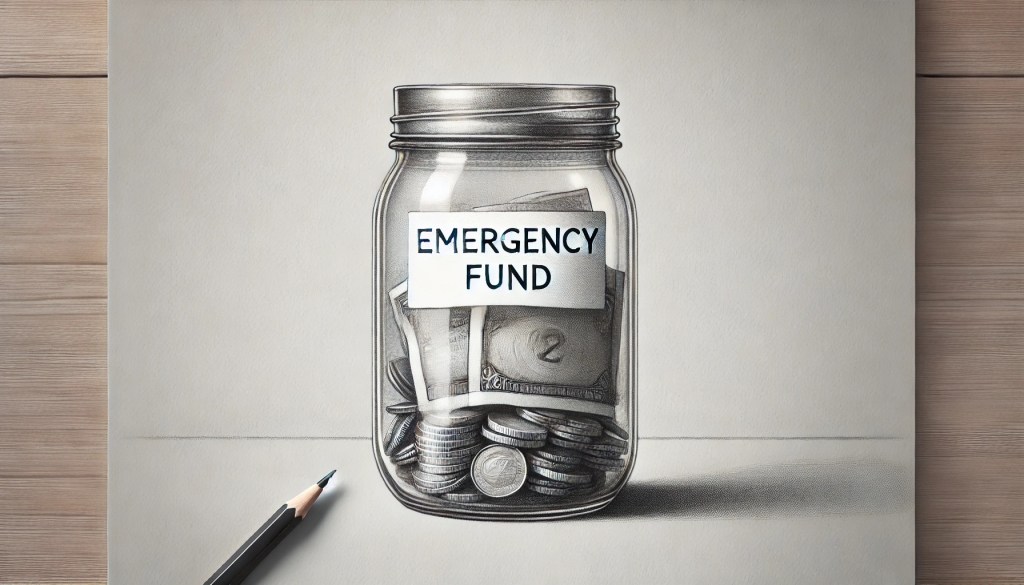
2. Build a Safety Net
Even small emergency savings can provide a cushion for unexpected expenses and reduce financial stress.
3. Reward Progress
ADHD brains respond well to rewards. Celebrate your wins, like sticking to a budget for a week or saving a specific amount.
Shifting Your Mindset: Progress Over Perfection
Financial recovery is a journey, not a race. Setbacks don’t define you—they’re simply bumps in the road. Focus on progress, no matter how small, and celebrate your efforts to grow and learn.
With the right strategies, tools, and support, you can build healthier financial habits and regain confidence in your ability to manage money. Remember, bouncing back isn’t about being perfect—it’s about showing up for yourself and taking one step forward at a time.
If you found this post helpful and would like to support my work, consider visiting my Buy Me a Coffee. Your support helps me continue creating content to empower individuals with ADHD.
 TrueJourney