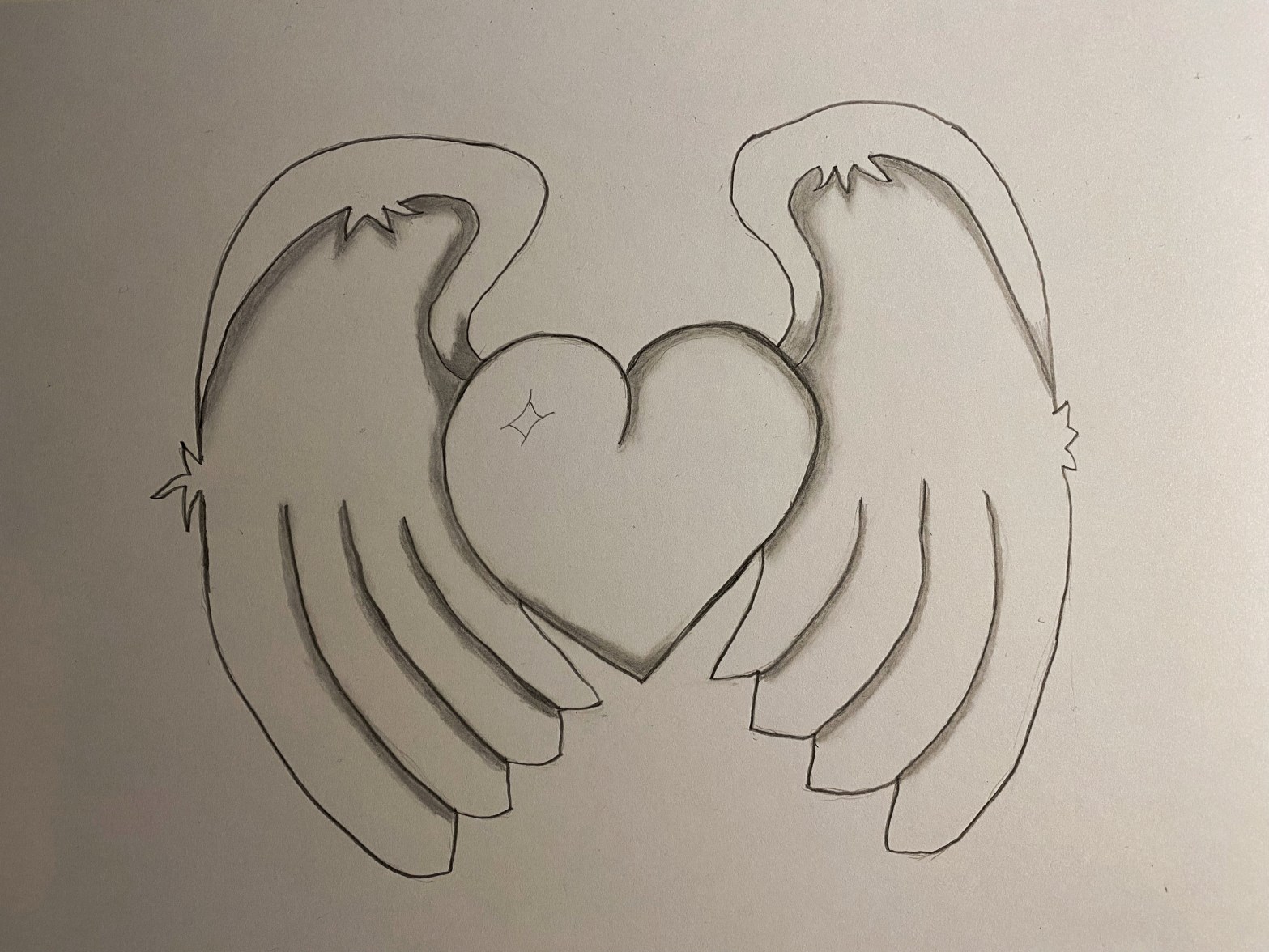
For individuals with ADHD, creative expression can be an incredible outlet for managing symptoms, channeling energy, and embracing unique talents. Engaging in art, music, writing, and other forms of creativity offers more than just a way to pass the time—it can enhance focus, provide emotional relief, and foster self-discovery. By exploring creative outlets, people with ADHD often find new ways to thrive, connect with themselves, and express what can be hard to communicate through words alone.
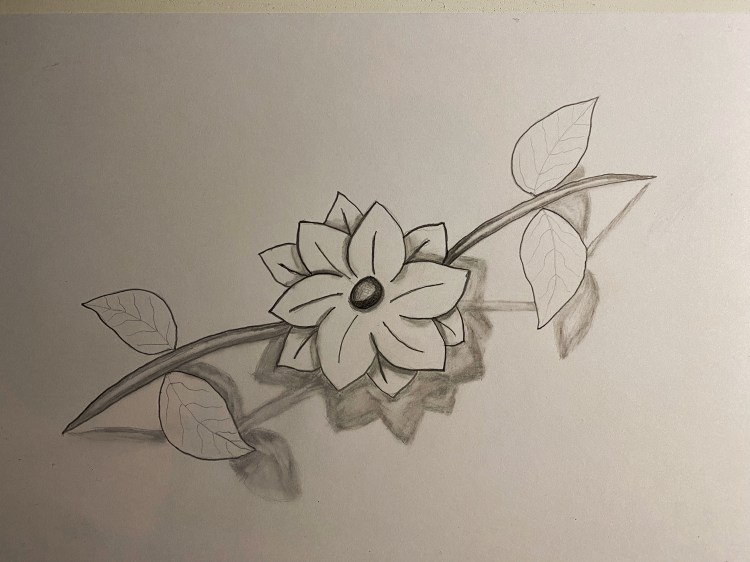
In this article, we’ll dive into the powerful benefits of creative expression for ADHD and offer tips on how to integrate art, music, and writing into your routine for a more fulfilling life.
1. The Link Between ADHD and Creativity
People with ADHD often have a strong connection to creativity. The ADHD brain is wired to seek novelty and stimulation, which can drive a natural affinity for creative pursuits. This tendency to think outside the box, approach problems differently, and explore ideas in unconventional ways can make individuals with ADHD highly creative.
A. Embracing Divergent Thinking
ADHD brains often engage in divergent thinking—the ability to generate multiple ideas and approaches to a problem. This type of thinking is a huge asset in creative fields, as it fuels exploration, experimentation, and innovation.
- Example: Divergent thinking can help artists come up with unique compositions, writers explore complex stories, and musicians experiment with sounds. It allows individuals to push beyond conventional boundaries and embrace fresh perspectives.
B. Seeking Stimulation Through Creative Outlets
Because people with ADHD often seek stimulation, creative activities can provide a productive outlet. Art, music, and writing offer a healthy, focused way to channel that energy, leading to more positive and constructive experiences.
2. The Benefits of Art for ADHD
Engaging in visual arts, whether it’s painting, drawing, or sculpting, is particularly beneficial for people with ADHD. The process of creating art offers a range of mental health benefits, including improved focus, emotional regulation, and self-expression.
A. Art as a Mindful Activity
Art can act as a form of mindfulness, helping individuals stay grounded in the present moment. The process of drawing, painting, or working with clay requires concentration, which can help train focus and calm the mind.
- Actionable Tip: Start with simple sketching or coloring if you’re new to art. The repetitive motions of coloring or shading can be especially soothing for the ADHD brain, promoting calmness and reducing anxiety.
B. Using Art to Express Emotions
Art provides a nonverbal outlet for expressing emotions, which can be particularly helpful for those with ADHD who may struggle to articulate feelings. By creating art, you can explore and release emotions in a healthy way, which promotes emotional resilience.
- Actionable Tip: Try art journaling as a way to combine creativity with emotional exploration. Spend 10–15 minutes each day drawing or doodling your thoughts and feelings, allowing yourself to process emotions without judgment.
3. How Music Enhances Focus and Emotional Regulation
Music has a powerful impact on the brain, especially for individuals with ADHD. Listening to or playing music can help improve concentration, boost mood, and regulate emotions, making it an excellent tool for self-management.
A. Listening to Music for Focus
Background music can be incredibly helpful for ADHD brains, as it provides gentle stimulation that aids concentration. Certain genres, like classical music or instrumental beats, can reduce distractions and improve focus during tasks.
- Actionable Tip: Experiment with different types of music while working, such as classical, ambient, or nature sounds. Apps like Spotify or YouTube offer ADHD-focused playlists that you can try to see what works best for you.
B. Playing an Instrument for Emotional Outlet
For those who enjoy making music, playing an instrument can be an emotional outlet and a way to connect deeply with oneself. Creating music allows you to express feelings, relieve stress, and channel energy into something positive.
- Actionable Tip: If you’re new to playing an instrument, consider trying something simple like a ukulele or keyboard. Even learning a few chords or basic tunes can provide satisfaction and a sense of achievement.
4. The Power of Writing for Self-Reflection and Clarity
Writing is a versatile form of creative expression that offers people with ADHD a structured way to explore their thoughts, reflect on their experiences, and gain clarity. Whether it’s through journaling, poetry, or storytelling, writing can be a therapeutic tool for self-discovery and personal growth.
A. Journaling for Self-Expression and Organization
Journaling helps people with ADHD organize their thoughts and emotions on paper, which can provide relief from mental clutter. Regular journaling allows you to reflect on daily experiences, gain insight into patterns, and identify areas for growth.
- Actionable Tip: Try “free writing” each morning or evening. Set a timer for 5–10 minutes and write without stopping or censoring yourself. Free writing helps release thoughts and emotions, leaving you with a sense of mental clarity.
B. Using Creative Writing to Explore Identity
Creative writing, such as storytelling or poetry, allows individuals with ADHD to explore their identity, creativity, and imagination. It’s a space where you can express your ideas freely and experiment with different perspectives.
- Actionable Tip: Write a short story or poem based on a recent experience, emotion, or dream. The process of crafting a narrative or describing an emotion can provide insights and help you connect with your inner self.
5. Tips for Integrating Creative Expression Into Your Routine
Building a habit of creative expression can take time, but with a few strategies, you can make art, music, and writing a regular part of your life. Here are some ADHD-friendly tips to help you get started.
A. Schedule Dedicated Creative Time
Set aside specific times each week for creative activities. This structure provides consistency while allowing you to look forward to creative sessions as a form of self-care.
- Actionable Tip: Block out 15–30 minutes for creative activities two or three times a week. Treat it like a scheduled appointment, and remember that these sessions are a valuable part of your routine.
B. Start Small and Experiment with Different Mediums
There’s no need to dive into complex projects right away. Start with simple creative exercises, like doodling, learning a new song, or writing a short paragraph. Experimenting with different mediums can help you find what resonates most with you.
- Actionable Tip: Try a different medium each week, such as drawing, writing a haiku, or listening to a new genre of music. This exploration allows you to discover which activities bring you the most joy and relaxation.
C. Use Visual Reminders to Stay Inspired
Visual cues can remind you of your creative goals and motivate you to stay engaged. Display artwork, quotes, or photos that inspire you in your workspace or on your wall to keep creativity at the forefront.
- Actionable Tip: Create a small inspiration board with images, quotes, or sketches that reflect your creative goals. Update it regularly to keep your inspiration fresh.
6. Celebrate Progress and Enjoy the Process
Creative expression is not about perfection or outcomes; it’s about the journey. Embrace the process, celebrate your efforts, and remember that each step forward is an achievement.
A. Recognize Small Wins
Celebrate small victories, like completing a drawing, learning a new song, or finishing a journal entry. These accomplishments build momentum and reinforce the value of creative expression in your life.
- Actionable Tip: Keep a creative journal where you record what you accomplished each week. Reflecting on your progress helps you stay motivated and reminds you of the joy creative expression brings.
B. Let Go of Perfectionism
Creative expression should be enjoyable, not stressful. Don’t worry about creating “perfect” art or writing; instead, focus on what feels fulfilling in the moment. Let go of expectations and allow yourself to experiment freely.
Personal Insight: I’ve learned that embracing creativity with an open mind helps me stay engaged. Whether or not the result is “perfect” doesn’t matter; it’s the process that brings the most value.
Conclusion: Thriving Through Creative Expression with ADHD
Art, music, and writing are powerful forms of self-expression that offer countless benefits for people with ADHD. Through creativity, you can channel your energy, improve focus, and connect deeply with yourself. By incorporating creative activities into your routine, you can experience greater self-awareness, fulfillment, and resilience.
If you found this article helpful and would like to support my work, please visit my Buy Me a Coffee page. Your support helps me continue sharing insights on managing ADHD and exploring the benefits of creative expression.
 TrueJourney